

How to Clean Your Breville Espresso Machine: Daily, Weekly & Monthly Guide
How to Clean and Maintain Your Breville Machine for Longevity
You know that moment when your Breville starts pulling shots like it's lost motivation, steam feels weaker, and everything tastes a bit… dusty?
That's not your beans. That's your machine politely asking for a clean.
The goal here is not to turn your weekend into a cleaning documentary. It's to build a simple routine that keeps your espresso tasting sharp and your machine running for ages.
Why Brevilles "get worse" over time (it's usually these three)
Most issues come from:
Coffee oils
They build up in the group head and baskets, then go stale. That stale oil taste shows up as bitterness and "old coffee" vibes.
Milk residue
Milk dries inside the steam wand and tip. That kills steam power and turns microfoam into bubble soup.
Scale
Minerals from water build up inside the machine. That's when you get weak flow, weird temps, and long term wear.
So we're going to keep oils under control, stop milk from crusting, and manage scale.
The 2 minute reset after you make coffee
This is the best bang for effort. Do this after your last coffee session and you prevent most problems before they start.
- Purge the steam wand for 1 to 2 seconds
- Wipe the steam wand with a damp cloth
- Flush the group head for 2 to 3 seconds
- Empty or rinse the drip tray if it's getting full
That's it!
The weekly clean that keeps everything tasting fresh
Once a week, give your Breville a quick tidy. Think of it like brushing your teeth. Totally fine to miss occasionally, but your future self will thank you for staying consistent.
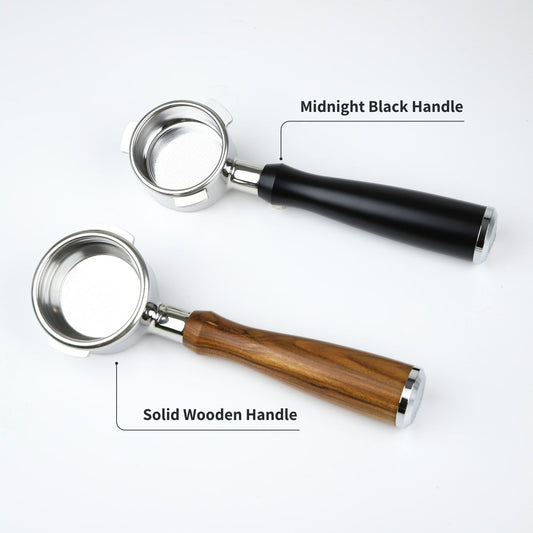
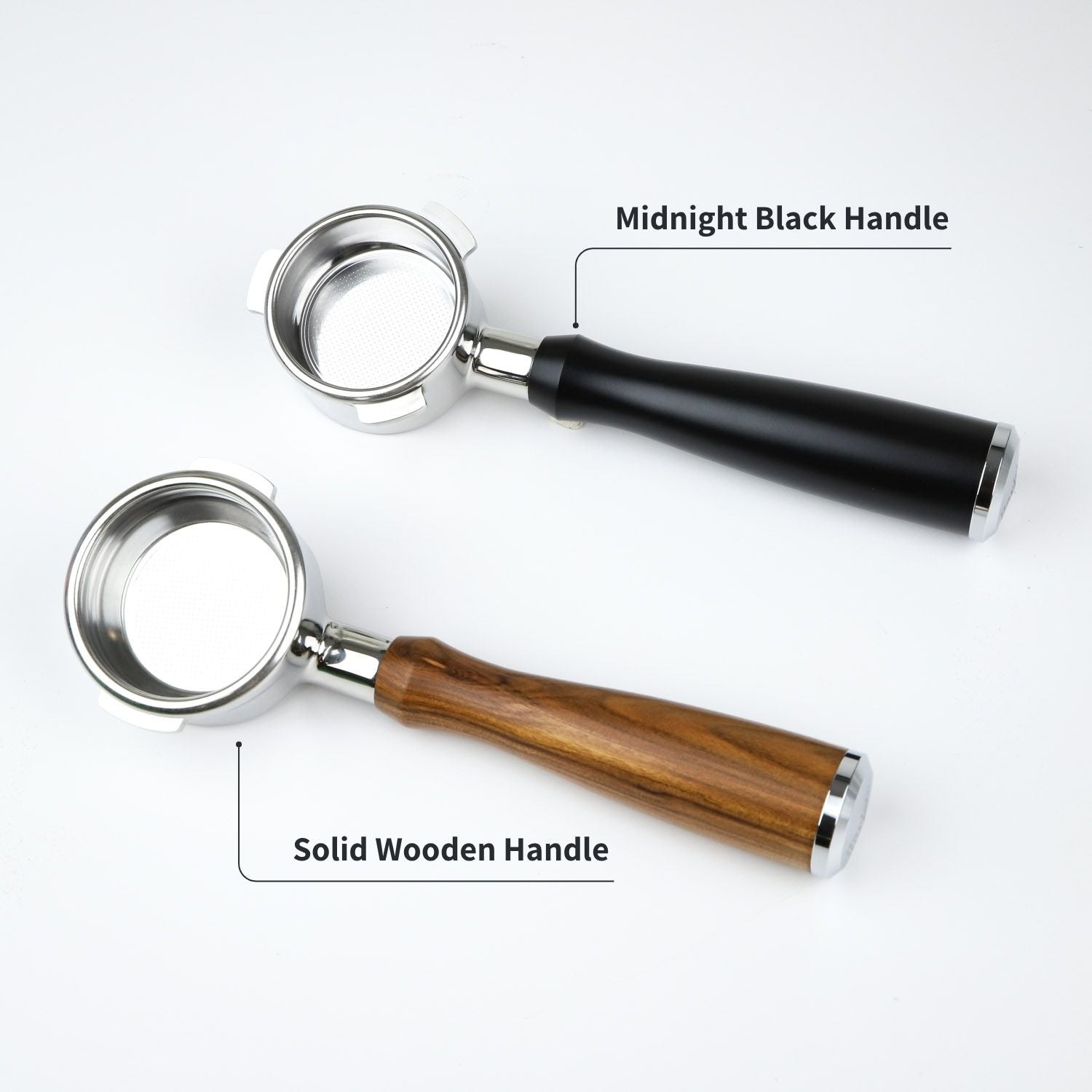
Start with the portafilter and baskets
Pull the basket out and wash both with warm water and a mild dish soap. Rinse well.
If your basket looks brown or feels slick, that's coffee oil buildup. It's normal, but it does affect taste.
Then clean the group head area
This is where a proper brush makes life easy. You want to get around the shower screen and gasket area where grinds love to hide.
A handy tool for this is the Group Head Steam Deep Cleaning Brush, because it's built to scrub oils and residue in tight spots with heat resistant nylon bristles.
Quick bench cleanup (because grinds go everywhere)
If your coffee station looks like a tiny sandpit by the end of the week, you're not alone. A fast sweep keeps your setup tidy and stops old grounds from getting back into everything.
The Magnetic Anti-Static Barista Bench Cleaning Brush is made for that job, with anti-static natural horsehair bristles so grounds don't cling like glitter, plus a magnetic catch tray so it lives where you need it.
The monthly deep clean that makes your Breville feel brand new
This one's easy to let slide (life gets busy!), but it makes a noticeable difference when you do it. Your espresso will thank you.
Most Breville machines will give you a gentle nudge with a "Clean Me" prompt. That's your cue to show it some love.
Run the cleaning cycle with a tablet
Use the blind basket or cleaning disc, add a cleaning tablet, and run your model's cleaning program. Then rinse with a few water only cycles.
This clears oils from inside the machine, not just the stuff you can see.
Give your baskets a proper soak
Once a month, soak your baskets (and the metal end of the portafilter) in warm water with espresso cleaner for 15 to 30 minutes, then rinse thoroughly.
If your espresso has been tasting "mysteriously worse," this often fixes it straight away. It's one of those satisfying quick wins.
Want to go next level without making it complicated?
This is where the Group Head Steam Deep Cleaning Brush really shines. It's designed to attach to your steam wand with a high temperature silicone hose and tightening screw, then uses pressurised steam to help break down and flush coffee residue while you scrub. It also has a solid wood handle and a water barrier safety feature to help keep your hands protected.
In plain language: it's a quicker way to deep clean the grimy bits, using the steam your machine already has.
Descaling: the boring step that saves your machine
Descaling isn't glamorous, but it's one of the biggest things you can do for longevity.
When to descale
Your machine prompts you
Water flow feels weaker than normal
Steam feels weaker
Your kettle scales up quickly (big clue your water is hard)
The rule
Follow the steps for your exact Breville model, use an espresso safe descaler, and rinse thoroughly after. Take your time with the rinse. It's worth it for better tasting coffee straight away.
Water matters more than most people think
If your water tastes like chlorine, your coffee will too. If your water is hard, your machine will scale faster.
Easy wins:
Use the tank filter if your Breville supports one
Filter your water if it tastes off
Better water means better coffee and less maintenance.
Quick "something feels off" fixes
Steam is weak
Usually the steam tip holes are partly blocked.
Soak the tip in warm water
Clean the holes gently
Purge after every use going forward
If it's been a while and everything feels weak, a descale often does the trick.
Espresso tastes bitter and stale
Usually oil buildup.
Run the cleaning cycle
Soak the baskets
Brush the group head area
Portafilter leaks from the sides
Often it's just grinds around the gasket zone.
Clean the basket rim
Brush and wipe around the gasket area
If it still leaks after cleaning, the gasket may have worn down over time. Totally normal and easy to replace.
| When | What to do |
|---|---|
| After each coffee session | Purge and wipe steam wand Quick flush group head Quick drip tray check |
| Weekly | Wash portafilter and baskets Brush group head area Sweep the bench Cleaning cycle with tablet |
| Monthly |
Basket soak |